
Roof maintenance is a crucial aspect of home ownership, ensuring the protection and longevity of your property. This article provides a comprehensive guide to all things roof-related, from emergency repairs to replacements and everything in between. Understanding the nuances of roofing care can save money and prevent unnecessary stress down the road.
What are Emergency Roof Repairs?
Identifying Emergencies
Recognizing the signs of emergency roof repairs is vital to prevent further damage to your home. Sudden leaks, missing shingles after a storm, or sagging rooflines are all indicators that require immediate action. Addressing these emergencies swiftly can save your home from structural damage and costly repairs in the future.
In addition, signs like unexpected water stains on ceilings or walls may also suggest an urgent roofing issue. These indicators can lead to more severe problems such as mold growth or interior damage if not promptly resolved. Knowing these signs allows homeowners to act quickly and protect their investment.
Immediate Steps to Take
Once an emergency roof repair need is identified, taking immediate steps is crucial. The first step is to contain the situation, such as using buckets to catch leaks. Contacting a roofing company promptly is essential to evaluate and mitigate the damages efficiently.
Additionally, securing the affected area can minimize water infiltration and interior damage. Prompt action can also help in gathering proof for future roof replacement insurance claims, where timeliness can play a pivotal role. Communicating efficiently with your selected roof repair company ensures that all necessary actions are underway.
How Can I Identify Roof Repair Needs?
Signs of Roof Damage
Visual indicators that suggest a roof may need repair include cracked or missing shingles, curled shingle edges, and dark streaks. These signs often indicate that the roof’s integrity is compromised, necessitating immediate attention. Ignoring these signs can lead to more significant issues, increasing the cost of eventual repairs.
Water spots on the ceiling inside the home are also telltale signs of a leaky roof. Such leaks can lead to structural damage if left untreated. Regularly inspecting the attic for sunlight or moisture intrusion is crucial in detecting damage early.
Regular Inspection Tips
Conducting regular roof inspections can prevent minor issues from becoming significant problems. It is advised to inspect your roof bi-annually, especially after severe weather events, to address any potential damage. Homeowners should also keep an eye out for granules collecting in gutters, indicating wear.
Using binoculars from the ground level provides a good initial view of any visible damages without risking injury. Professional roofers can additionally provide comprehensive inspections, addressing minor issues before they escalate. Scheduling routine assessments with a roofing company ensures an extended lifespan for your roof.
How to Choose the Right Roof Repair Company?
Qualities to Look For
When selecting a roof repair company, it’s essential to look for specific qualities like proper licensing, insurance, and a strong local reputation. Certified roofers ensure that the repair job meets industry standards while protecting homeowners from liability. Longevity in business and positive customer testimonials also speak volumes about reliability and expertise.
In addition to credentials, a reputable roofing company should have a proven track record of quality work. Reviews can often highlight the company’s commitment to completing projects on time and within budget. Clear communication and prompt responses are further indicators of a professional operation.
Comparing Quotes and Services
When evaluating roof repair company quotes, ensure each includes a detailed breakdown of labor, materials, and other costs. Such transparency helps in understanding the value offered and avoiding unexpected expenses. Comparing multiple quotes from different companies can provide a broader perspective on fair pricing and services.
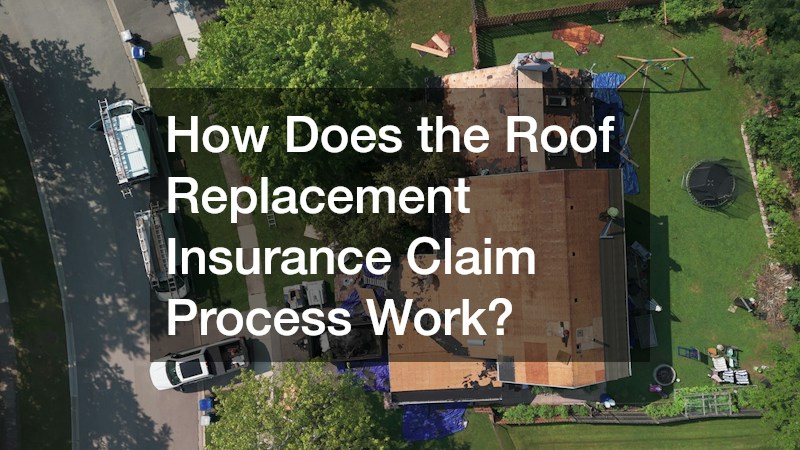
How Does the Roof Replacement Insurance Claim Process Work?
Documentation Required
To successfully file a roof replacement insurance claim, detailed documentation is essential. This includes photographic evidence of the damage, any repair quotes from your roofing company, and previous maintenance records. Proper documentation can significantly impact the success and speed of the claim process.
Steps in the Claim Process
The roof replacement insurance claim process typically begins with contacting your insurance provider to report the damage. Following this, you may need to supply all relevant documentation, including estimates from a roofing company. Insurers will often send an adjuster to assess the damage before approving the claim.
Once approved, negotiation with roofing contractors begins to align work scope and costs within the insurance payout. Completing required documentation promptly can expedite the approval and repair process. Regular follow-ups with both the insurer and contractor ensure the process remains on track.
When Should I Consider a Roof Replacement?
Assessing Roof Age and Condition
Evaluating the age and condition of your roof is crucial in determining the need for a roof replacement. Generally, roofs over 20 years old may require closer inspection for potential replacement needs. Regular inspections help determine if aging materials have reached the end of their lifespan.
A detailed assessment from a roofing contractor can provide clarity on whether a roof replacement is necessary. Factors such as extensive shingle damage, chronic leaks, or compromised structural integrity are red flags. Investing in a roof replacement at the right time can prevent more significant issues and preserve property value.
Cost vs. Benefit Analysis
Weighing the cost against the benefits of a roof replacement is a critical decision-making step. Newer roofs offer better energy efficiency and modern materials can provide enhanced durability. Upfront costs can be balanced by long-term savings in energy bills and repair costs.
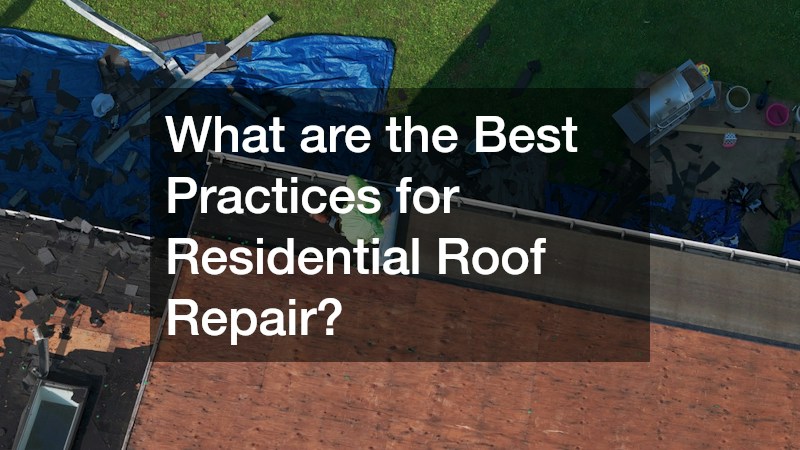
What are the Best Practices for Residential Roof Repair?
Common Repair Techniques
Best practices in residential roof repair include patching small leaks promptly, replacing damaged shingles, and ensuring proper ventilation. Other techniques involve waterproofing areas susceptible to leaks, such as around chimneys and vents. Addressing these issues quickly can prevent larger, more costly repairs.
Implementing these techniques requires knowledge and sometimes, specialized tools. Knowing when to call a professional roofer instead of attempting a DIY repair can ensure the job is done correctly. A qualified roofing company can evaluate the extent of the damage and recommend the most effective solutions.
DIY vs. Professional Repairs
Deciding between DIY and professional roof repairs depends largely on the extent and nature of the damage. Minor issues, such as cleaning gutters or replacing a single shingle, can often be handled safely by homeowners. However, complex tasks involving structural damage or steep roof angles are best left to professionals.
How to Find a Reliable Local Roofing Company?
Checking Credentials
When searching for a reliable local roofing company, checking for proper credentials, including licensing and insurance, is crucial. Such credentials indicate a company’s adherence to industry standards and legal practices. Additionally, it’s important to verify their experience and reviews from previous clients.
Local directories and professional associations, such as the Better Business Bureau, can be good resources for verifying credentials. Professional certifications also demonstrate a company’s commitment to ongoing education and excellence in roofing services. Confirming these qualifications helps ensure you select a trustworthy and competent contractor.
Reading Reviews and Testimonials
Reading reviews and testimonials can offer insights into a roofing company’s quality of service and customer satisfaction. Online platforms and local directories often host genuine client feedback, aiding in informed decision-making. Consistent positive reviews and satisfied customer testimonials can reinforce confidence in your choice.
Testimonials highlighting efficient service, reliability, and quality can be valuable indicators. While researching, consider both positive and negative feedback to gain a balanced perspective. Directly contacting past clients for their experiences can provide further assurance of a roofing contractor’s reputation.
What Should I Expect from Professional Roofers?
Scope of Work
Professional roofers offer a comprehensive range of services, from routine maintenance and inspections to full-scale roof replacements. They carefully assess the roof’s condition to provide accurate and tailored solutions. Their expertise ensures the durability and safety of the roofing structure post-repair.
In addition to repairs, roofing contractors often provide consultation on materials and techniques to maximize roof longevity. An established roofing company may also include emergency roof repair services, crucial for addressing sudden damage. Understanding the full scope of work helps homeowners set realistic expectations and plan accordingly.
Communication Standards
Communication standards in professional roofing services emphasize transparency, prompt responses, and updates on the project’s progress. A reputable roofing company will maintain consistent contact, addressing any client concerns throughout the process. Such standards are essential for building trust and ensuring client satisfaction.
Clear explanations of methodologies, timelines, and costs can preempt potential misunderstandings. Homeowners should expect regular updates and clarity on any adjustments needed during a project. Choosing a roofing contractor with strong communication skills can significantly enhance the repair or installation experience.

Why Hire a Roofing Company Instead of Individuals?
Team Expertise
Employing a roofing company instead of individual contractors offers the advantage of team expertise and collaborative problem-solving. This approach ensures a range of skills and knowledge is applied to any given project. Complex issues often benefit from diverse perspectives and streamlined workflow offered by a full team.
With a team, quality can be maintained consistently across different phases of the project. The synergy among experienced roofers often leads to faster project completion and superior results. Engaging a company allows access to trained professionals able to handle various roofing challenges effectively.
Insurance and Warranties
Hiring a roofing company ensures comprehensive insurance coverage, protecting homeowners from liability during the project. This safeguard is crucial in the unlikely event of damages or accidents on-site. In addition, reputable companies provide warranties on workmanship and materials, adding long-term security.
Such warranties ensure that any issues post-installation or repair will be addressed promptly at no extra cost. This assurance is less likely when hiring individual contractors. Trustworthy companies prioritize customer satisfaction and stand by their work with these guarantees.
How to Avoid Roofing Contractor Scams?
Warning Signs of Scams
Recognizing warning signs of roofing contractor scams is key to protecting your investment. High-pressure sales tactics, demands for full upfront payments, and reluctance to provide written estimates are red flags. Scammers may also lack verifiable credentials or rely on unsolicited door-to-door sales.
Being aware of these tactics can help avoid fraudulent experiences and subpar workmanship. Immediate red flags include contractors who refuse to sign formal contracts or insurance documentation. Remaining vigilant in vetting potential roofers protects against common scams in the industry.
Verifying Legitimacy
To ensure you’re dealing with a legitimate roofing contractor, verify their business through local licensing authorities and trade associations. Cross-check provided credentials with regional builders’ associations to confirm legitimacy. This process is crucial for ascertaining the trustworthiness of potential hires.
What are the Costs Involved in Roof Repairs and Replacements?
Cost Breakdown
A detailed understanding of the costs involved in roof repairs and replacements includes labor, materials, and additional fees such as permits. Variables such as roof size, pitch, and complexity also influence the total cost. Knowledge of these factors aids in anticipating and preparing for expenses.
Budgeting Tips
Effective budgeting for potential roofing expenses requires upfront exploration of financing options, comparing quotes, and setting aside contingency funds. Planning for unexpected costs ensure preparedness without delay or disruption. Over time, regular savings can alleviate financial pressure associated with large-scale roof maintenance.
Why is Regular Roof Maintenance Important?
Longevity and Performance
Regular roof maintenance significantly contributes to its longevity and optimal performance by preventing premature deterioration. Conducting consistent inspections helps identify small issues before they escalate, preserving the structural integrity of the roof. Through maintenance, the roof can withstand harsh environmental conditions over time.
Preventative Measures
Implementing preventative measures can fend off major repairs and promote the health of your roofing system. Simple actions, such as keeping gutters clear, trimming overhanging branches, and sealing exposed parts, can prevent unnecessary wear. These measures collectively reduce the risk of leaks and structural damage.
What Are the Modern Technologies in Roofing?
Innovative Materials
Modern roofing has seen the integration of innovative materials that enhance performance and sustainability. Options like cool roofs, which reflect more sunlight, and green roofs, which improve energy efficiency, have become popular. Such materials contribute to sustainability goals while also reducing energy costs for homeowners.
Technology-Driven Solutions
Technology is reshaping roofing solutions with tools like drones for inspections and software for precise measurement and planning. These technology-driven solutions improve accuracy in assessments and efficiency in project executions. Drone inspections provide safe, thorough views of potential issues without requiring physical access.
Conclusion
In conclusion, taking care of your roof through regular maintenance, prompt repairs, and informed replacement decisions is crucial for safeguarding your home. The insights provided in this guide aim to equip you with the knowledge to make the best roofing decisions. Regular engagement with a reliable roofing contractor ensures your roof continues to protect your home efficiently.