

Every home experiences occasional problems, from a cooling system that stops working on a hot afternoon to a dripping faucet or a damaged window. Some issues may seem minor at first, but delaying attention can sometimes allow them to become more complicated or expensive to address. Knowing which household problems require prompt attention can help homeowners protect their property and keep everyday systems functioning properly.
The following are several common household problems and considerations for addressing them. Taking a proactive approach can help homeowners maintain a safer, more comfortable, and functional living environment.
Restore Cooling When Your System Stops Working
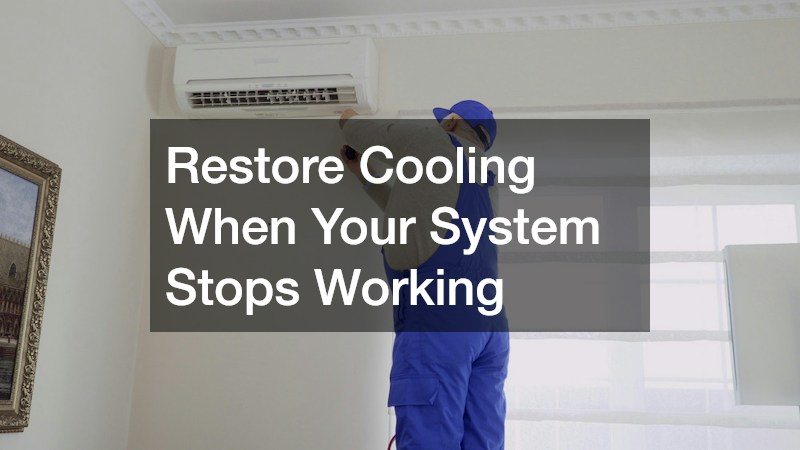
Few household problems are more noticeable during warm weather than an air conditioning system that is not cooling properly. A system may stop producing cool air, run continuously, cycle on and off frequently, or make unusual sounds. These symptoms can have several possible causes, so identifying the underlying problem is important before deciding how it should be addressed.
Local AC repair may be appropriate when a system is no longer operating as expected. A professional can inspect components such as filters, electrical connections, refrigerant-related components, condensate drains, and the outdoor unit. The appropriate repair depends on the equipment and the specific problem.
Homeowners can take a few basic maintenance steps to support normal operation. Replacing or cleaning the air filter according to the manufacturer’s recommendations can help maintain airflow. Outdoor units should also have adequate clearance from leaves, grass, and other debris. However, homeowners should avoid opening electrical panels or attempting repairs involving refrigerant.
An air conditioner that repeatedly struggles to maintain the desired temperature may also indicate an issue that needs further evaluation. Continuing to operate a malfunctioning system can sometimes place additional strain on its components.
Regular maintenance can help identify potential concerns before the system stops working completely. Homeowners should follow the equipment manufacturer’s recommended maintenance schedule and have professional inspections performed when appropriate.
Address Damage Inside Your Ventilation System
Air ducts distribute conditioned air throughout a home, so problems within the ductwork can affect comfort and efficiency. Damaged, disconnected, or poorly sealed ducts may allow conditioned air to escape before reaching the intended rooms.
Air duct repair can address issues such as visible damage, separated connections, or leaks in accessible sections of ductwork. A professional can evaluate the system to determine where problems are occurring and whether repairs or additional improvements are appropriate.
Uneven temperatures between rooms can sometimes prompt homeowners to investigate the duct system, although several other factors can cause similar symptoms. Unusual noises, visible damage, excessive dust around certain registers, or inconsistent airflow may also warrant an inspection.
Ductwork located in attics, crawl spaces, or other difficult-to-access areas can be particularly challenging to inspect. Homeowners should exercise caution when entering these areas because of potential insulation, electrical, structural, and other hazards.
Properly maintained ductwork can support more consistent airflow throughout the home. It can also help prevent conditioned air from being wasted through unnecessary leaks. If a home’s duct system is aging or has undergone previous modifications, a professional evaluation can help determine whether individual repairs are sufficient or whether broader improvements may be needed.
Fix Common Issues Before They Worsen
The roof protects a home from rain, snow, wind, sunlight, and other environmental conditions. Because it is constantly exposed to the elements, roofing materials can eventually develop damage or wear. Identifying problems early can help homeowners determine what action may be necessary.
Roofing repairs can address concerns such as damaged or missing shingles, deteriorated flashing, small areas of water intrusion, and other localized problems. The appropriate repair depends on the roof’s material, age, condition, and the extent of the damage.
After severe weather, homeowners can look for visible signs of damage from the ground. Missing shingles, displaced materials, damaged gutters, or debris on the roof may indicate that a closer inspection is warranted. Homeowners should not climb onto a damaged or steep roof to investigate it themselves.
Interior warning signs can also provide clues. Water stains on ceilings or walls, peeling paint, damp insulation, and musty odors may indicate that water is entering the home. A visible stain does not always correspond directly with the location of the roof problem because water can travel along structural components before appearing indoors.
Prompt attention can help limit the potential spread of water damage. Even when a problem appears small, professional evaluation can help determine whether the issue is localized or part of a broader roofing concern.
Know When to Call a Roofing Professional

Determining whether a roof needs a minor repair or more extensive work can be difficult without an appropriate inspection. Roofing materials can deteriorate in ways that are not immediately obvious from ground level, and damage in one area may affect surrounding components.
A roofing contractor can inspect the roof and identify visible concerns involving shingles, flashing, ventilation, drainage, and other components. The contractor can then explain the condition of the roof and discuss available repair or replacement options.
The age of the roof is one factor to consider, but age alone does not determine whether a roof needs to be replaced. The condition of the materials, extent of damage, history of repairs, and type of roofing system can all affect the appropriate course of action.
Homeowners should also pay attention to recurring leaks. If a repaired area continues to allow water into the home, the underlying cause may not have been fully addressed. Repeated temporary fixes can sometimes leave larger problems undiscovered.
When hiring a professional, homeowners should ask what the inspection will include and request a clear description of recommended work. Written estimates can make it easier to understand the scope of the project, materials involved, and expected costs.
Protect Your Home From Ongoing Roof Damage
Some roof problems become more noticeable during heavy rain, strong winds, or temperature changes. Others may develop gradually as roofing materials age. Addressing these concerns promptly can help protect the structure and interior of the home.
Roof repair services may address localized damage before it affects larger portions of the roofing system. Common concerns can include damaged shingles, flashing problems, leaks around roof penetrations, and other areas where water may enter.
Flashing deserves particular attention because it helps direct water away from vulnerable transitions and openings. Damaged or deteriorated flashing around chimneys, vents, skylights, and other penetrations can contribute to leaks.
Gutters and downspouts also influence roof drainage. If water cannot move away from the roof properly, it may accumulate in areas where it can contribute to deterioration. Keeping gutters clear and directing downspouts away from the home’s foundation can support proper drainage.
Homeowners should also be cautious about delaying repairs because a leak seems to occur only during severe weather. Intermittent leaks can still allow moisture into roofing materials, insulation, ceilings, or walls.
Regular visual inspections and professional evaluations when concerns arise can help homeowners understand the condition of the roof. Addressing problems while they are localized may help avoid more extensive damage later.
Resolve Leaks and Other Water-Related Issues
Plumbing problems can range from minor inconveniences to issues that cause significant water damage. Dripping faucets, slow drains, running toilets, low water pressure, and leaking pipes are common concerns in residential properties.
Plumbing repair may be necessary when a fixture or pipe is not operating correctly. A professional can identify the source of a problem and determine whether a component can be repaired or needs to be replaced.
Leaks beneath sinks deserve particular attention because they can damage cabinets and flooring without being immediately visible. Homeowners can periodically inspect the area beneath kitchen and bathroom sinks for moisture, discoloration, swelling, or unusual odors.
Slow drains can also indicate developing problems. While a single slow drain may result from a localized blockage, recurring issues or multiple slow drains may warrant professional evaluation.
Homeowners should avoid relying on chemical drain cleaners as a routine solution without considering the potential effects on plumbing materials and the underlying cause of the blockage. Repeated problems may require a different approach.
Water pressure changes can also provide useful information. A sudden change may be related to a fixture, supply line, valve, or broader plumbing issue. Persistent changes should be investigated rather than ignored.
Promptly addressing plumbing problems can help limit water waste and reduce the possibility of damage to surrounding building materials.
Repair Damaged Windows and Other Glass Features
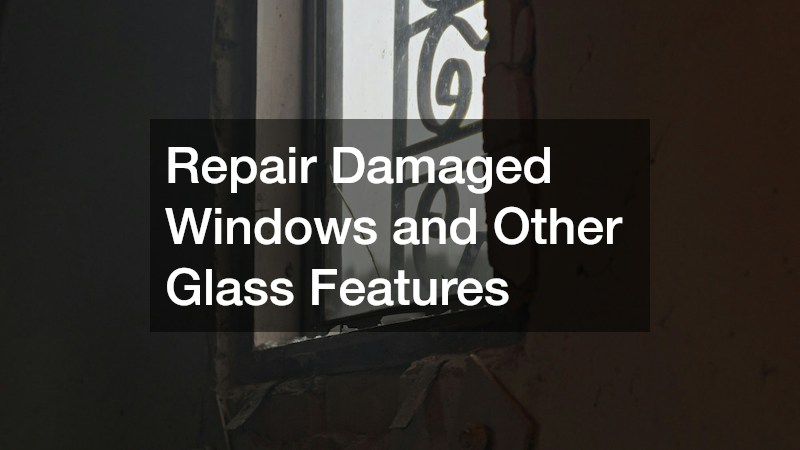
Broken or damaged glass can affect a home’s appearance, comfort, and security. Cracks, chips, failed seals, and other issues may occur in windows, doors, mirrors, or other glass features.
Glass repair may be appropriate for certain types of damage, depending on the location, size, and severity of the problem. In other situations, replacing the affected glass or entire component may be more appropriate.
A cracked window should not be ignored simply because it remains functional. Temperature changes, vibration, or additional impact can sometimes cause existing cracks to spread. Broken glass can also create sharp edges that present a safety concern.
Failed window seals can produce another type of problem. When insulating glass units lose their seal, moisture may develop between panes, creating a cloudy or fogged appearance. Depending on the window design and condition, the affected glass unit may need to be replaced.
Windows can also develop operational problems. Difficulty opening, closing, or locking a window may indicate an issue with hardware, the frame, or another component.
Homeowners should avoid handling severely damaged glass without appropriate protection. Professional assessment can help determine whether the glass can be repaired or whether replacement is more practical.
Maintain a Safe and Functional Chimney
Chimneys are exposed to weather and can experience deterioration over time. Masonry joints, flashing, chimney caps, liners, and other components may require attention depending on the chimney’s construction and condition.
Chimney repair can address problems such as deteriorated masonry, damaged caps, flashing concerns, or other defects. The appropriate repair depends on the source and extent of the deterioration.
Visible cracks or missing mortar can indicate that masonry should be evaluated. Water intrusion can contribute to deterioration, particularly when moisture enters damaged areas and repeatedly freezes and thaws.
The chimney’s connection to the roof is another area worth monitoring. Damaged flashing around the base of a chimney can allow water to enter the home, potentially causing damage to roofing materials or interior surfaces.
Chimneys associated with fireplaces or other fuel-burning appliances also require appropriate inspection and maintenance. Creosote buildup, obstructions, and other conditions can affect safe operation.
Homeowners should follow recommendations for professional chimney inspections and cleaning based on the type and frequency of use. If a chimney shows visible damage or develops unusual conditions, professional evaluation can help determine what work may be necessary.
Address Problems With Underground Wastewater Lines
Sewer lines carry wastewater away from the home, but problems can develop beneath the ground without being immediately visible. Slow drains, recurring backups, unpleasant odors, or changes in how multiple fixtures drain may indicate a concern with the main sewer line.
Sewer repair may be necessary when an underground line becomes damaged, blocked, or compromised. Tree roots, deteriorated materials, shifting soil, and blockages are among the potential causes of sewer problems.
One fixture that drains slowly may have a localized blockage, but multiple affected fixtures can suggest a larger issue. Repeated backups should not be treated as a routine inconvenience because wastewater can cause significant property damage and sanitation concerns.
Professionals may use specialized inspection equipment to identify problems inside an underground line without immediately excavating the entire area. The appropriate repair method depends on the location, material, and severity of the problem.
Homeowners should also pay attention to changes in the yard. Unusually wet areas, depressions, or particularly lush vegetation in one location can sometimes indicate an underground water or sewer concern, although these signs can have other causes.
Addressing sewer problems promptly can help reduce the potential for backups and damage. Because underground lines are difficult to evaluate visually, homeowners should seek professional assistance when persistent symptoms suggest a problem beyond a simple drain blockage.
Handle Everyday Repairs Around the House
Not every household problem involves a major mechanical system. Doors can stick, drywall can become damaged, shelves can require installation, fixtures can loosen, and other small issues can accumulate throughout a home.
A handyman repair service can address a variety of general household maintenance tasks. The specific work offered varies by provider, so homeowners should confirm that the requested project falls within the service’s capabilities.
Creating a list of smaller repairs can make household maintenance more organized. Instead of addressing each minor issue separately, homeowners may be able to group compatible tasks into a single maintenance project.
Common tasks may include repairing minor drywall damage, replacing hardware, installing shelves, making small carpentry repairs, or addressing other non-specialized household concerns. More complex work involving major electrical, plumbing, structural, or gas systems may require a licensed specialist instead.
Safety should guide decisions about whether to handle a task independently. A repair that involves working at significant heights, accessing electrical components, or modifying structural elements may present risks beyond routine household maintenance.
Regularly addressing small problems can also improve the overall condition of a home. Loose fixtures, damaged trim, sticking doors, and other minor concerns may become more difficult to address if they are neglected for long periods.
Household problems are a normal part of owning and maintaining a property, but homeowners do not always know how serious a particular issue may be. Paying attention to warning signs can help distinguish routine maintenance from problems that require professional attention. Changes in temperature control, unusual plumbing behavior, roof damage, broken glass, chimney deterioration, sewer backups, and other concerns should be evaluated based on their specific circumstances.
A well-maintained home is not necessarily one in which problems never occur. Instead, regular attention can help homeowners respond to problems before they become more disruptive. By recognizing common warning signs, understanding when professional assistance may be appropriate, and keeping up with routine maintenance, homeowners can help preserve their property’s comfort, safety, and functionality.