
Introduction
Planning a home construction or improvement project is one of the most significant investments a homeowner can make. Whether building a new house, upgrading structural components, or redesigning outdoor spaces, each stage requires careful planning and coordination. Successful home development projects depend on multiple professionals working together, including designers, engineers, contractors, and material suppliers. Without a clear strategy, homeowners may face delays, budget overruns, or structural issues that affect the long-term value of the property.
In the United States, residential construction continues to be a major contributor to economic growth. According to the U.S. Census Bureau, private residential construction spending exceeded $900 billion annually, reflecting the strong demand for housing and renovation projects across the country. Additionally, a HomeAdvisor housing report suggests that homeowners spend between $15,000 and $50,000 on average renovation projects, while large-scale construction projects can cost significantly more depending on size, materials, and location.
Managing these projects effectively requires more than just hiring builders. Homeowners must plan the design process, evaluate property conditions, secure building materials, and coordinate construction teams. Structural factors such as soil stability, foundation strength, and drainage also play a critical role in ensuring a safe and durable home.
This guide explains how homeowners can plan and manage home construction and improvement projects from start to finish. From planning residential development and evaluating land conditions to managing construction teams and enhancing outdoor spaces, each step contributes to the overall success of the project. Understanding the role of professional services in residential development allows homeowners to make better decisions and avoid costly mistakes.
Preparing Your Property Before Starting a Residential Build
Before beginning any residential development project, homeowners must evaluate the property carefully. Planning early stages properly ensures that construction proceeds smoothly and prevents structural problems later. Many homeowners underestimate the importance of site preparation when beginning new home construction, but early planning significantly reduces long-term risks.
The first step in any building project is evaluating the land where construction will take place. Soil quality, drainage conditions, and environmental factors determine how stable the structure will be over time. Certain properties may require grading, drainage improvements, or soil stabilization before building begins. Without proper preparation, structural issues such as foundation cracks or uneven floors may develop in the future.
Local zoning regulations also influence how properties can be developed. Municipal authorities often enforce specific rules regarding building height, property setbacks, and utility connections. Understanding these regulations early allows homeowners to avoid delays during the permitting process.
Budget planning is another crucial element during the early stages of construction. Building a home requires multiple phases including design, excavation, framing, roofing, and finishing. Each phase must be accounted for within the construction budget to avoid unexpected financial challenges. Cost estimates should include labor, materials, permits, and contingency funds for unforeseen expenses.
Homeowners should also consider long-term functionality when planning their homes. Future family needs, energy efficiency upgrades, and expansion possibilities should all be part of the planning process. Proper planning ensures that the home remains functional and valuable for years to come.
Actionable Tips
-
Evaluate zoning laws before beginning new home construction
-
Conduct soil testing to ensure the property can support the structure
-
Create a detailed project budget including contingency funds
-
Plan utility connections such as water, electricity, and sewage
-
Prepare the site with proper grading and drainage systems
Designing Personalized Homes That Match Lifestyle Needs

Design plays a central role in building comfortable living spaces. Many homeowners prefer homes tailored to their personal preferences rather than standardized layouts. Working with professionals who specialize in custom homes allows homeowners to design spaces that reflect their lifestyle and long-term needs.
Design planning typically begins with architectural drawings that outline room layouts, structural dimensions, and utility systems. Architects collaborate with homeowners to determine the number of bedrooms, bathrooms, living areas, and other functional spaces. Customization allows homeowners to include unique features such as home offices, open floor plans, or integrated outdoor living spaces.
Energy efficiency has become an important consideration during the design process. Proper insulation, window placement, and ventilation systems reduce long-term energy costs while improving indoor comfort. Natural lighting and smart layout planning also enhance the overall living experience.
Homeowners should also consider future flexibility when designing their homes. Families may grow, lifestyle needs may change, and property values may evolve over time. Designing adaptable spaces allows homeowners to modify their homes without major structural renovations.
Construction professionals play an important role in transforming architectural designs into functional buildings. Collaboration between architects, engineers, and builders ensures that design concepts are structurally sound and feasible within the construction budget.
Actionable Tips
-
Work with architects experienced in designing custom homes
-
Plan flexible spaces that can adapt to future needs
-
Incorporate energy-efficient windows and insulation
-
Ensure room layouts support comfortable daily living
-
Review detailed blueprints before construction begins
Fixing Structural Foundation Issues Before Renovations
Structural stability is essential for any building project. Homes built on unstable foundations may experience cracks, uneven floors, and structural damage over time. Addressing foundation problems early prevents larger repairs in the future. Many homeowners discover these problems when they begin major renovations or structural upgrades requiring house leveling.
Foundation issues often develop due to soil movement, poor drainage, or aging construction materials. Expansive soils that shrink and swell with moisture changes can shift the structure over time. When this occurs, homes may tilt slightly or develop visible cracks along walls and floors.
Correcting foundation problems requires specialized engineering expertise. Structural professionals evaluate the extent of the damage and determine whether stabilization, reinforcement, or leveling procedures are necessary. Modern leveling techniques may involve hydraulic lifting, pier installation, or soil stabilization systems.
Ignoring foundation problems can lead to expensive structural damage later. For example, uneven foundations may affect plumbing lines, door frames, or roofing alignment. Addressing these issues early protects the integrity of the entire structure.
Preventative maintenance is also important. Regular inspections help identify small issues before they become serious structural concerns. Proper drainage systems and moisture control around the property also help protect the foundation from damage.
Actionable Tips
-
Inspect the foundation before starting major renovations
-
Hire professionals to evaluate house leveling requirements
-
Monitor cracks in walls or floors regularly
-
Improve drainage systems around the property
-
Stabilize soil conditions before structural upgrades
Designing Energy-Efficient and Environmentally Responsible Homes
Environmental responsibility has become a major focus in modern residential construction. Designing homes that minimize energy consumption helps homeowners reduce utility costs while contributing to environmental sustainability. Incorporating principles of sustainable architecture during the planning stage allows homes to remain efficient and environmentally friendly for decades.
Energy-efficient homes often include advanced insulation materials, high-performance windows, and efficient heating and cooling systems. Proper insulation helps maintain indoor temperatures while reducing energy consumption during extreme weather conditions.
Renewable energy systems are also becoming more popular among homeowners. Solar panels, energy-efficient appliances, and smart home technologies allow homeowners to monitor and reduce energy usage effectively.
Material selection also plays a role in environmentally responsible construction. Builders often choose materials that are durable, recyclable, and locally sourced to reduce environmental impact. Sustainable building materials such as bamboo flooring, recycled steel, and eco-friendly insulation provide long-term performance while supporting environmental conservation.
Designing environmentally responsible homes also improves property value. Many homebuyers prefer energy-efficient homes that reduce monthly utility costs and environmental impact.
Actionable Tips
-
Incorporate sustainable architecture principles during early design stages
-
Use energy-efficient insulation and windows
-
Install solar-ready roofing systems
-
Choose eco-friendly building materials when possible
-
Design homes to maximize natural lighting and ventilation
Coordinating Design Plans and Construction Workflows

Successful construction projects require careful coordination between designers, engineers, and builders. Clear communication ensures that architectural plans translate accurately into the final structure. Many projects rely on project management and architectural drafting services to maintain consistency between design concepts and construction activities.
Architectural drafting converts design ideas into detailed technical drawings that guide builders during construction. These drawings include measurements, material specifications, and structural instructions required for accurate building execution.
Project managers oversee construction timelines, budgets, and team coordination. Their role is to ensure that each phase of the project progresses according to schedule and meets quality standards. Without proper management, construction projects may experience delays or cost overruns.
Clear documentation also plays a key role in successful project coordination. Every design change or material adjustment should be documented to prevent confusion among construction teams.
Homeowners benefit greatly from organized project management because it reduces stress and ensures that all professionals involved remain aligned throughout the building process.
Actionable Tips
-
Use professional project management and architectural drafting services
-
Establish clear construction milestones and deadlines
-
Maintain documentation of design revisions
-
Monitor construction budgets regularly
-
Ensure communication between architects and contractors
Selecting High-Quality Materials for Long-Lasting Structures
Choosing the right materials is essential for durable and safe homes. Structural strength, weather resistance, and long-term maintenance requirements depend heavily on the quality of building supplies used during construction.
Modern construction materials include reinforced concrete, engineered wood products, and high-performance insulation materials designed for durability and efficiency. These materials provide stronger structural support and better resistance to environmental conditions.
Material sourcing also influences construction timelines. Reliable suppliers help ensure that materials arrive on schedule, preventing project delays. Builders often work with trusted suppliers to maintain consistent quality standards.
Cost considerations should also be balanced with durability. While cheaper materials may reduce initial costs, they may lead to higher maintenance expenses over time. Investing in durable materials often provides better long-term value.
Quality control inspections during construction ensure that materials meet safety standards and building regulations. Proper installation techniques also play an important role in maximizing material performance.
Actionable Tips
-
Choose durable building supplies for structural components
-
Purchase materials from reputable suppliers
-
Compare warranties and certifications before purchasing
-
Schedule material deliveries according to construction phases
-
Conduct quality inspections during installation
Evaluating Property Boundaries and Site Conditions
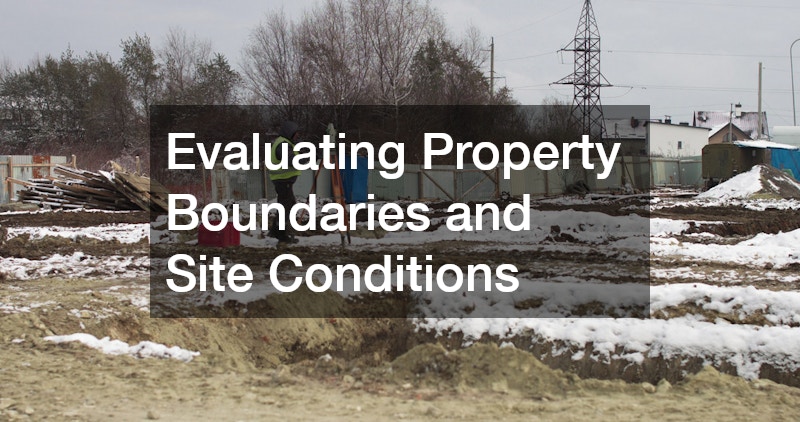
Understanding property boundaries and land conditions is essential before construction begins. Professional land surveyors help homeowners determine accurate property lines, elevation levels, and site conditions required for safe construction.
Surveying professionals conduct detailed measurements using advanced equipment to identify property boundaries and topographic features. These surveys prevent legal disputes with neighboring properties and ensure that construction complies with zoning regulations.
Topographic surveys also help engineers evaluate slopes, drainage patterns, and soil conditions. These factors influence foundation design and structural stability.
Environmental factors such as flood zones, soil composition, and nearby water sources also influence construction planning. Survey data provides valuable insights that help architects and engineers design structures suited to the property’s natural characteristics.
Accurate surveys also assist during property sales or future renovations. Proper documentation ensures that property records remain clear and legally valid.
Actionable Tips
-
Hire licensed land surveyors before construction begins
-
Verify property boundaries to prevent legal disputes
-
Conduct topographic surveys to evaluate land conditions
-
Identify flood zones and environmental risks
-
Use survey data when planning building layouts
Managing Construction Teams and Ensuring Quality Work
Construction projects involve multiple professionals working together over several months. Coordinating these teams effectively is essential for maintaining quality standards and staying on schedule. Experienced building contractors often lead these efforts by supervising construction teams and ensuring that each phase of the project is completed correctly.
Contractors coordinate subcontractors, schedule construction tasks, and monitor the quality of work performed on-site. They also communicate with homeowners and project managers to ensure that the project progresses according to plan.
Hiring qualified contractors is essential for successful construction outcomes. Homeowners should evaluate contractor credentials, experience, and past project portfolios before signing agreements.
Regular site inspections also help maintain quality control during construction. Monitoring progress ensures that construction standards and safety guidelines are followed throughout the project.
Actionable Tips
-
Hire experienced building contractors with strong reputations
-
Review contractor portfolios and previous projects
-
Establish clear contracts and payment schedules
-
Conduct regular site inspections during construction
-
Maintain open communication with contractors
Installing Durable Roofing Systems for Long-Term Protection
Roofing systems protect homes from environmental exposure and structural damage. Proper installation and maintenance ensure that roofs remain durable for many years. Professional roofing contractors help homeowners select suitable roofing materials and install them correctly.
Roofing materials vary depending on climate conditions, architectural design, and durability requirements. Asphalt shingles, metal roofing, and tile roofing are among the most common materials used in residential construction.
Proper ventilation and insulation are also essential components of effective roofing systems. These features prevent moisture buildup and improve energy efficiency.
Regular roof inspections help identify potential damage caused by storms or aging materials. Early maintenance prevents leaks and structural damage.
Actionable Tips
-
Consult experienced roofing contractors for material selection
-
Choose roofing materials suited to local climate conditions
-
Ensure proper ventilation and insulation systems
-
Schedule routine roof inspections
-
Maintain gutters and drainage systems regularly
Enhancing Outdoor Spaces with Functional Hard Landscaping
Outdoor spaces play an important role in property functionality and aesthetics. Well-designed patios, walkways, and retaining walls enhance property value and usability. Professional hardscape services help homeowners design durable outdoor structures that complement the overall home design.
Hard landscaping includes features such as stone patios, concrete driveways, outdoor kitchens, and retaining walls. These structures improve property accessibility while creating comfortable outdoor living areas.
Proper drainage and structural planning ensure that outdoor structures remain stable during changing weather conditions. Durable materials such as natural stone, concrete pavers, and brick provide long-lasting performance.
Integrating landscaping elements with hardscape features creates balanced outdoor environments that improve curb appeal and property functionality.
Actionable Tips
-
Plan outdoor features during early construction stages
-
Hire professionals experienced in hardscape services
-
Use durable materials like stone or concrete
-
Design proper drainage for patios and walkways
-
Combine landscaping with structural outdoor features
Conclusion
Planning and managing home construction and improvement projects requires careful coordination between professionals, materials, and structural planning processes. From evaluating land conditions and designing efficient homes to selecting materials and managing contractors, each stage plays a vital role in building durable and functional living spaces.
Homeowners who approach construction projects strategically can minimize risks and ensure that their homes remain safe, comfortable, and valuable over time. Consulting experienced professionals for structural evaluation, design planning, and construction management helps ensure that projects meet both safety standards and long-term performance expectations.
By understanding the different phases of residential development, homeowners can make informed decisions and successfully manage construction projects from start to finish.
Reference Sources
https://www.census.gov/construction
https://www.nahb.org
https://www.homeadvisor.com
These organizations provide reliable information and statistics related to housing construction, renovation trends, and industry standards.