
Introduction: Why Preventative Maintenance Is One of the Best Investments a Homeowner Can Make
Homeownership comes with ongoing responsibilities, and one of the most important is protecting the property from avoidable damage. While many homeowners focus on repairs only after something breaks, a proactive maintenance strategy is often the most effective way to reduce expenses, improve comfort, and preserve property value.
Many of the most expensive home repairs begin as relatively small issues. A minor plumbing leak can lead to water damage, mold growth, and structural deterioration. An aging HVAC system can gradually lose efficiency before failing completely during extreme weather. Electrical problems can develop quietly behind walls before creating safety concerns. By identifying and addressing these issues early, homeowners can avoid significant repair costs and unexpected disruptions.
Preventative maintenance also improves the overall performance of a home. Well-maintained systems operate more efficiently, consume less energy, and typically last longer than neglected equipment. Regular inspections provide opportunities to detect wear and tear before it develops into larger problems.
Another important benefit is peace of mind. Knowing that critical systems have been inspected and maintained reduces the likelihood of emergency situations and helps homeowners budget more effectively for future improvements.
This guide explores some of the most valuable maintenance services available and explains how they can help homeowners prevent costly repairs while improving safety, comfort, efficiency, and long-term property performance.
Build a Home Maintenance Plan That Helps You Stay Ahead of Problems
The most effective way to prevent expensive repairs is to create a structured maintenance plan that addresses the home’s critical systems throughout the year.
A successful maintenance plan should include:
- Seasonal inspections
- Annual professional evaluations
- Routine servicing
- Equipment replacement planning
- Emergency preparedness
Areas that deserve regular attention include:
- Heating and cooling equipment
- Plumbing systems
- Electrical infrastructure
- Roofing components
- Water quality equipment
Benefits of maintaining a structured plan include:
- Lower repair costs
- Improved efficiency
- Extended equipment lifespan
- Better budgeting
- Increased property value
Homeowners should also maintain records such as:
- Inspection reports
- Service invoices
- Warranty information
- Upgrade histories
Warning signs that should never be ignored include:
- Unusual noises
- Rising utility bills
- Water stains
- Reduced system performance
- Frequent repairs
By documenting maintenance activities and scheduling inspections proactively, homeowners can reduce surprises and make more informed decisions about future upgrades.
Improve System Reliability Through Routine Seasonal Inspections
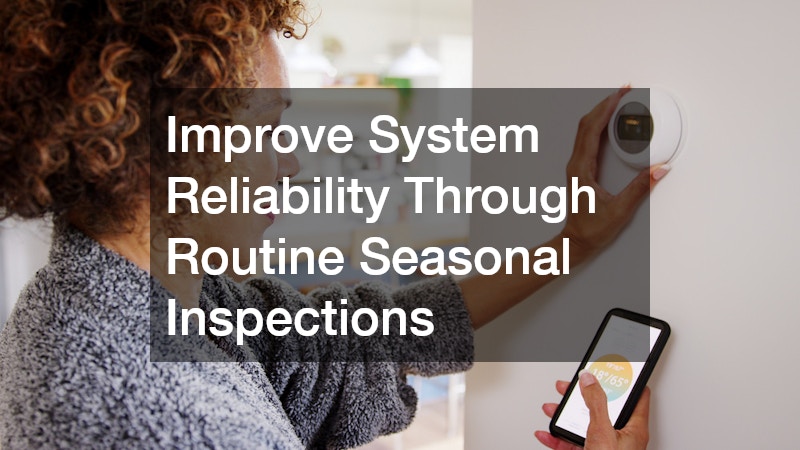
Heating and cooling systems are among the most heavily used components in a home. Because they operate throughout the year, routine maintenance is essential for ensuring reliable performance and preventing unexpected breakdowns.
Professional HVAC Service helps identify minor issues before they become major repairs. Seasonal inspections allow technicians to evaluate equipment performance, clean critical components, and verify that systems are operating safely and efficiently.
Routine service often includes:
- Filter replacement
- Coil cleaning
- Electrical inspections
- Thermostat testing
- Airflow evaluations
Benefits of preventative maintenance include:
- Improved energy efficiency
- Lower utility bills
- Better indoor comfort
- Extended equipment lifespan
- Reduced emergency repairs
Homeowners should also pay attention to signs that maintenance may be overdue, such as:
- Uneven temperatures
- Poor airflow
- Excess humidity
- Strange noises
- Frequent cycling
Regular service appointments help keep systems operating efficiently while reducing the risk of inconvenient breakdowns during periods of peak demand.
Address Cooling Problems Before They Become Emergency Situations
Cooling equipment often provides warning signs before a major failure occurs. Recognizing those signs and scheduling air conditioning repair early can help homeowners avoid uncomfortable and costly emergencies.
Common symptoms of cooling system problems include:
- Warm air from vents
- Weak airflow
- Unusual noises
- Refrigerant leaks
- Rising energy costs
Ignoring these issues can increase the likelihood of needing emergency hvac repair during the hottest days of the year, when demand for service is often highest.
Homeowners can reduce breakdown risks by:
- Changing filters regularly
- Keeping outdoor units clear of debris
- Monitoring thermostat performance
- Scheduling annual inspections
Professional technicians often identify problems such as:
- Refrigerant loss
- Dirty coils
- Electrical failures
- Condensate drainage issues
- Blower motor wear
Benefits of addressing concerns early include:
- Lower repair costs
- Better efficiency
- Improved comfort
- Reduced system strain
- Longer equipment life
Prompt attention to small cooling issues often prevents larger failures while helping maintain consistent indoor comfort throughout the summer months.
Protect Your Home from Hidden Plumbing Problems

Plumbing systems operate behind walls, under floors, and throughout the property, making it easy for problems to go unnoticed until significant damage occurs. Regular inspections by a qualified plumber can help identify issues before they lead to expensive repairs.
Common plumbing concerns include:
- Leaking pipes
- Running toilets
- Dripping faucets
- Corroded fixtures
- Low water pressure
Even small leaks can have serious consequences over time. Water damage can affect:
- Drywall
- Flooring
- Insulation
- Structural framing
- Personal belongings
Warning signs homeowners should watch for include:
- Unexpected increases in water bills
- Water stains on ceilings or walls
- Musty odors
- Mold growth
- Damp flooring
Preventative plumbing maintenance often includes:
- Inspecting exposed pipes
- Testing shutoff valves
- Evaluating fixture performance
- Checking appliance connections
- Monitoring water pressure
Benefits of routine plumbing inspections include:
- Reduced water waste
- Lower utility costs
- Improved system reliability
- Prevention of water damage
- Extended plumbing lifespan
Addressing plumbing concerns early is one of the most effective ways to avoid major repair expenses while protecting the home’s structure and finishes.
Detect Underground Issues Before They Lead to Major Damage
Many homeowners don’t think about their sewer lines until a backup occurs. Unfortunately, by the time symptoms become obvious, the damage may already be extensive.
A sewer line camera inspection allows professionals to evaluate underground pipes without excavation. Using specialized equipment, technicians can identify hidden issues that may otherwise remain undetected.
Common problems revealed through inspections include:
- Tree root intrusion
- Pipe cracks
- Collapsed sections
- Grease buildup
- Misaligned connections
Warning signs that may indicate sewer line problems include:
- Slow drains throughout the home
- Frequent backups
- Gurgling sounds
- Sewage odors
- Unusually green patches in the yard
Benefits of camera inspections include:
- Accurate diagnosis
- Reduced guesswork
- Early problem detection
- Lower repair costs
- Prevention of emergency situations
Routine inspections are especially valuable for:
- Older homes
- Properties with mature trees
- Homes experiencing recurring drainage issues
- Buyers purchasing existing homes
Identifying sewer concerns early can help homeowners avoid major excavation projects and extensive property damage.
Improve Water Quality While Protecting Household Equipment

Water quality affects much more than drinking water. Mineral content, sediment, and other contaminants can impact plumbing systems, appliances, fixtures, and overall household comfort.
Many homeowners choose water softener installation to address hard water concerns and improve the performance of water-using equipment.
Signs of hard water often include:
- Mineral deposits on fixtures
- Soap scum buildup
- Reduced cleaning effectiveness
- Stained sinks and tubs
- Dry skin and hair
In addition to softening equipment, many households benefit from water conditioning systems that address a broader range of water quality concerns.
Potential benefits include:
- Improved water taste
- Cleaner dishes and laundry
- Reduced mineral buildup
- Better appliance performance
- Longer equipment lifespan
Water quality improvements may help protect:
- Water heaters
- Dishwashers
- Washing machines
- Plumbing fixtures
- Pipes
Homeowners should consider water testing if they notice:
- Unusual odors
- Discoloration
- Scale buildup
- Changes in taste
Improving water quality can enhance everyday comfort while helping reduce maintenance costs associated with mineral accumulation and equipment wear.
Replace Aging Equipment Before Failure Causes Inconvenience
Hot water is an essential part of daily life. From bathing and laundry to cooking and cleaning, most households rely heavily on their water heating equipment.
Unfortunately, many homeowners wait until a complete failure occurs before considering water heater replacement. Proactive replacement often helps avoid emergencies while improving efficiency.
Warning signs that a unit may be nearing the end of its lifespan include:
- Inconsistent water temperatures
- Rust-colored water
- Strange noises
- Frequent repairs
- Visible corrosion
Benefits of upgrading older equipment include:
- Improved energy efficiency
- Lower operating costs
- Greater reliability
- Better temperature control
- Reduced maintenance needs
Homeowners should evaluate:
- Household hot water demand
- Energy efficiency goals
- Available fuel sources
- Long-term operating costs
Routine maintenance can help extend equipment lifespan and includes:
- Flushing sediment buildup
- Inspecting safety valves
- Checking temperature settings
- Monitoring performance
Replacing aging equipment before failure occurs helps prevent disruptions while improving household efficiency and comfort.
Improve Safety and Reliability Throughout Your Home
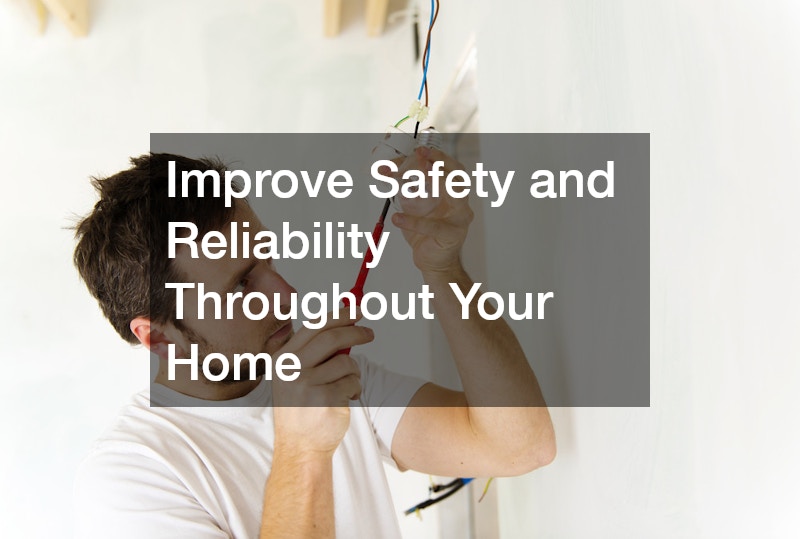
Electrical systems are essential to modern living, powering everything from appliances and lighting to heating, cooling, and communication devices. Because electrical infrastructure is largely hidden behind walls and ceilings, problems can develop without obvious warning signs.
Working with a qualified electrician helps homeowners identify potential hazards and maintain safe, reliable electrical performance.
Common electrical concerns include:
- Flickering lights
- Frequently tripped breakers
- Warm outlets
- Outdated wiring
- Overloaded circuits
Warning signs that should never be ignored include:
- Burning odors
- Sparking outlets
- Buzzing sounds
- Discolored switches
- Electrical shocks
Routine inspections often focus on:
- Electrical panels
- Circuit breakers
- Wiring connections
- Grounding systems
- Outlet and switch performance
Benefits of preventative electrical maintenance include:
- Improved household safety
- Reduced fire risks
- Better system reliability
- Increased energy efficiency
- Support for modern electrical demands
Homeowners considering renovations or major appliance upgrades should also evaluate whether their electrical systems can safely handle additional loads.
Modern households often require increased electrical capacity due to:
- Home offices
- Smart home technology
- Electric vehicle charging
- Additional appliances
- Entertainment systems
Investing in electrical maintenance and upgrades helps ensure safety while supporting the evolving needs of today’s homes.
Keep Interior and Exterior Spaces Well-Lit and Functional
Lighting affects much more than visibility. It influences safety, comfort, functionality, and curb appeal. When lighting systems begin to fail, homeowners may experience inconvenience while also increasing safety risks.
Timely lighting repair helps maintain proper illumination throughout the property.
Common causes of lighting problems include:
- Worn fixtures
- Damaged wiring
- Faulty switches
- Loose connections
- Weather-related deterioration
Areas that benefit from proper lighting include:
- Entryways
- Walkways
- Garages
- Kitchens
- Bathrooms
Benefits of maintaining lighting systems include:
- Improved safety
- Better visibility
- Enhanced functionality
- Increased security
- Greater curb appeal
Outdoor lighting can help:
- Reduce trip hazards
- Deter trespassers
- Highlight landscaping
- Improve navigation
Indoor lighting improvements may support:
- Productivity
- Comfort
- Energy efficiency
- Daily convenience
Homeowners should periodically inspect lighting systems and replace damaged components before they create larger electrical concerns.
Budget Strategically for Maintenance and Future Upgrades
One of the most effective ways to avoid costly repairs is to plan financially for maintenance and replacement projects before emergencies occur.
A dedicated maintenance budget should account for:
- Routine servicing
- Minor repairs
- Equipment replacement
- Emergency expenses
- Future upgrades
Benefits of proactive budgeting include:
- Reduced financial stress
- Better decision-making
- Improved planning
- Faster response to problems
Projects can generally be categorized into three priorities:
Immediate Needs
These involve active problems requiring prompt attention.
Examples include:
- Water leaks
- Electrical hazards
- Structural concerns
- Equipment failures
Preventative Maintenance
These projects help prevent larger issues.
Examples include:
- Inspections
- System servicing
- Minor repairs
- Seasonal upkeep
Long-Term Improvements
These investments focus on future performance and value.
Examples include:
- Energy-efficiency upgrades
- System replacements
- Safety enhancements
- Modernized equipment
Planning ahead allows homeowners to make informed decisions rather than reacting under pressure during emergencies.
Increase Property Value Through Consistent Maintenance and Smart Planning
Property value depends on more than location and square footage. Buyers often evaluate how well a home has been maintained and whether major systems appear reliable.
Homes with documented maintenance histories frequently attract greater buyer confidence because they suggest responsible ownership and fewer hidden problems.
Areas that influence property value include:
- Mechanical systems
- Plumbing infrastructure
- Electrical performance
- Water quality equipment
- Structural condition
Benefits of ongoing maintenance include:
- Improved marketability
- Better inspection outcomes
- Increased buyer confidence
- Reduced negotiation concerns
Helpful records to maintain include:
- Service reports
- Inspection documentation
- Warranty information
- Upgrade histories
Strategic maintenance investments often provide returns through:
- Lower repair costs
- Improved efficiency
- Better reliability
- Enhanced resale potential
By consistently caring for critical systems, homeowners protect both their daily comfort and their long-term financial investment.
Conclusion: Preventing Expensive Repairs Through Consistent Care and Planning
Preventative maintenance is one of the most effective ways to protect a home’s value, improve comfort, and avoid costly surprises. While it may be tempting to postpone inspections or delay minor repairs, proactive care consistently delivers better long-term outcomes than reactive repairs.
Many major home problems begin as small issues that develop gradually over time. Minor plumbing leaks, declining equipment performance, hidden electrical concerns, and aging infrastructure can all lead to expensive repairs if left unaddressed. Regular inspections and routine maintenance help identify these concerns before they escalate.
In addition to preventing damage, maintenance improves overall performance. Efficient systems consume less energy, provide greater reliability, and often last significantly longer than neglected equipment. These benefits contribute to lower operating costs and improved quality of life.
Financial planning also plays an important role. Homeowners who budget for maintenance and future upgrades are better prepared to address problems when they arise and are less likely to face major unexpected expenses.
Ultimately, protecting a home requires consistency. By investing in routine inspections, preventative care, and strategic upgrades, homeowners can create safer, more efficient, and more reliable living environments while preserving one of their most valuable assets for years to come.