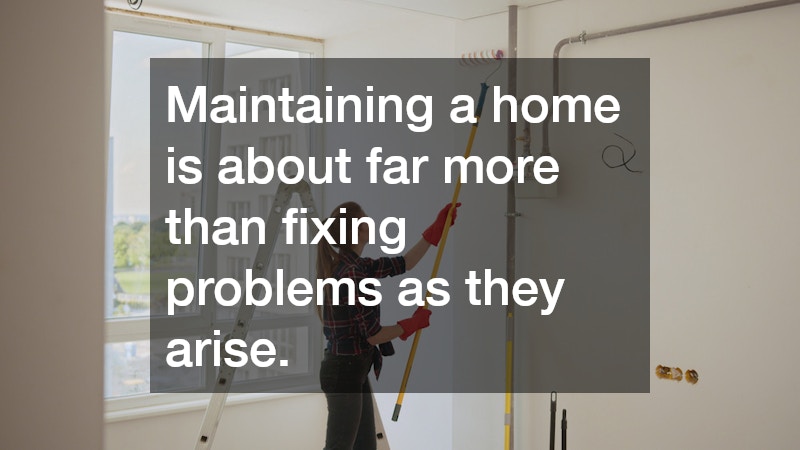
Maintaining a home is about far more than fixing problems as they arise. A proactive approach to upkeep protects property value, prevents costly emergencies, and ensures a safe, comfortable living environment year-round. From structural integrity to system efficiency, every part of a home benefits from routine care and informed decision-making. Homeowners who understand which services matter most are better equipped to safeguard their investment and avoid unnecessary stress. By focusing on preventative strategies, professional inspections, and coordinated maintenance, it’s possible to extend the lifespan of major systems while preserving both comfort and resale value.
Beyond the obvious benefits of safety and functionality, proactive maintenance also contributes to long-term financial security. Regular upkeep reduces the likelihood of emergency repairs, which often come with higher costs and unexpected downtime. By identifying small issues early—such as minor leaks, worn-out HVAC components, or early signs of roof damage—homeowners can address problems before they escalate into major structural or system failures. This approach not only saves money but also protects the home’s aesthetic appeal, ensuring that both interior and exterior spaces remain inviting and well-maintained.
Moreover, understanding your home’s unique needs allows for more strategic planning. Every property is different, with variations in age, construction type, climate exposure, and usage patterns. A home that is regularly inspected and cared for is better positioned to withstand seasonal challenges, weather extremes, and general wear and tear. Coordinating maintenance schedules for plumbing, electrical systems, roofing, HVAC, and landscaping ensures a holistic approach, where each system complements the other. Ultimately, a thoughtful maintenance strategy empowers homeowners to make informed decisions, optimize resource allocation, and enjoy a home that is not only safe and functional but also a source of pride and comfort.
Planning When Purchasing a Property
The foundation of smart home maintenance often begins before ownership officially starts. When buying home, understanding the condition of major systems allows new owners to plan upgrades and maintenance with confidence. Inspections provide insight into potential issues that may not be visible during walkthroughs, from subtle structural concerns to the condition of mechanical systems like HVAC, plumbing, and roofing. By gaining a clear picture early, homeowners can make informed decisions about which repairs or improvements to prioritize, and when to schedule them for optimal efficiency.
Key steps to take early include:
-
Reviewing inspection reports carefully: A detailed inspection report is more than a formality—it’s a roadmap for future maintenance. Pay close attention to notes on electrical systems, plumbing, roof condition, foundation, and appliances. Highlight areas that may require attention within the first few years of ownership.
-
Identifying systems nearing the end of their lifespan: Components such as water heaters, HVAC units, and roofing materials have predictable life expectancies. Knowing which systems are approaching the end of their useful life allows for proactive budgeting and avoids the stress of unexpected replacements.
-
Budgeting for near-term repairs or updates: Once potential issues are identified, allocate funds accordingly. Setting aside a repair or upgrade fund helps prevent financial strain when maintenance becomes necessary. Consider both essential repairs and cosmetic updates that enhance property value.
-
Prioritizing safety-related concerns: Structural stability, electrical safety, and plumbing integrity should take precedence. Addressing these issues early protects occupants and prevents more significant damage down the line.
In addition, establishing a maintenance routine from day one helps homeowners track work done on major systems, document warranties, and schedule preventive inspections. This forward-thinking approach also improves resale value, as well-maintained homes are more appealing to buyers. Coordinating with local contractors, roofing companies, plumbers, and HVAC specialists before problems arise ensures that skilled professionals are available when needed and allows for more competitive pricing.
By approaching homeownership with a proactive mindset, new homeowners can avoid reactive repairs, optimize the lifespan of critical systems, and maintain a safe, comfortable, and valuable property. Early planning transforms what could be a reactive, stressful process into a manageable, strategic approach that safeguards both the home and the homeowner’s investment over the long term.
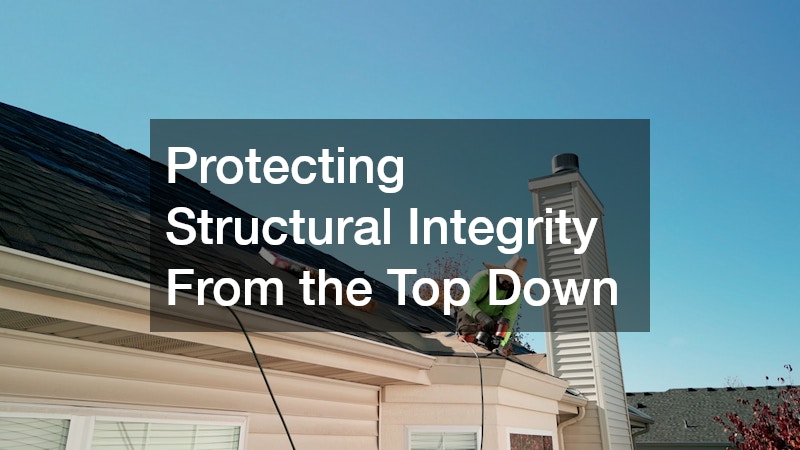
Protecting Structural Integrity From the Top Down
The roof is one of the most critical components of a home’s structure, acting as the primary barrier against weather, moisture, and environmental damage. Because of its importance, working with reputable roofing companies is essential to ensure that inspections, repairs, and replacements meet both safety and durability standards. A well-maintained roof not only protects the home’s interior but also contributes significantly to energy efficiency, curb appeal, and long-term property value. Ignoring minor issues can quickly escalate into extensive damage, leading to costly repairs and potential structural concerns.
Routine roof maintenance should include several key actions:
-
Visual inspections after severe weather: Storms, hail, or high winds can loosen shingles, damage flashing, or cause minor leaks. Homeowners should perform a basic inspection after such events and document any visible damage.
-
Checking flashing, shingles, and seals: Flashing around chimneys, vents, and skylights is prone to wear over time. Inspecting these areas for gaps or corrosion helps prevent water intrusion. Similarly, shingles that are cracked, curled, or missing should be repaired promptly.
-
Clearing debris to prevent water buildup: Leaves, branches, and other debris can accumulate in gutters or on flat roof surfaces. This buildup can trap moisture and lead to rot or mold growth. Regular cleaning helps maintain proper water drainage and prevents leaks.
-
Scheduling professional assessments as needed: While homeowners can handle minor inspections, a professional roofing contractor can identify underlying issues that may not be visible from the ground. Routine professional assessments help catch problems early and extend the roof’s lifespan.
Additional tips for long-term roof care include inspecting attic ventilation, as poor airflow can cause condensation and damage roofing materials, and applying protective coatings or treatments recommended by the manufacturer or roofing professional. Maintaining a detailed maintenance log with dates of inspections, repairs, and replacements can also help with insurance claims or when selling the property.
Timely roof repairs and proactive maintenance protect interior spaces, insulation, and framing from moisture intrusion and deterioration. By investing in routine care and working closely with trusted roofing companies, homeowners can safeguard their investment, avoid costly emergencies, and ensure the roof continues to provide reliable protection for decades.
Maintaining Heating and Cooling System Performance
Indoor comfort depends heavily on reliable climate control, making regular HVAC repairs essential for maintaining efficiency and safety. A well-functioning HVAC system not only keeps your home at a comfortable temperature year-round but also improves indoor air quality and reduces energy consumption. Neglecting routine maintenance can lead to higher utility bills, decreased system lifespan, and even costly emergency repairs during peak heating or cooling seasons.
Maintenance best practices include:
-
Replacing filters regularly: Dirty or clogged filters restrict airflow, forcing the system to work harder and consume more energy. Depending on the type of filter and household conditions, replacing filters every one to three months is recommended.
-
Scheduling annual system inspections: A professional inspection can identify minor issues before they become major problems. Technicians check for leaks, worn components, refrigerant levels, and electrical connections, ensuring optimal system performance.
-
Addressing unusual noises or airflow issues promptly: Strange sounds, weak airflow, or inconsistent temperatures can indicate underlying problems such as motor wear, duct leaks, or blockages. Addressing these issues early prevents more significant damage.
-
Monitoring thermostat performance: Ensure your thermostat is calibrated correctly and consider upgrading to a smart thermostat for more precise temperature control and energy savings.
Working with experienced local AC contractors ensures that homeowners receive expert guidance tailored to their specific system and home layout. Contractors can provide recommendations for energy-efficient upgrades, duct cleaning, and seasonal system tune-ups. Regular preventive maintenance also reduces the risk of unexpected breakdowns during extreme weather, providing peace of mind and consistent indoor comfort.
Additional tips for homeowners include keeping the area around outdoor units clear of debris, trimming foliage that may obstruct airflow, and sealing ductwork to prevent energy loss. Documenting all maintenance and repairs helps track system performance and provides valuable information for future service visits or potential warranty claims.
By committing to regular HVAC repairs and partnering with qualified local AC contractors, homeowners can maintain a comfortable living environment, improve energy efficiency, and extend the life of their system, ultimately protecting their investment and enhancing overall quality of life.
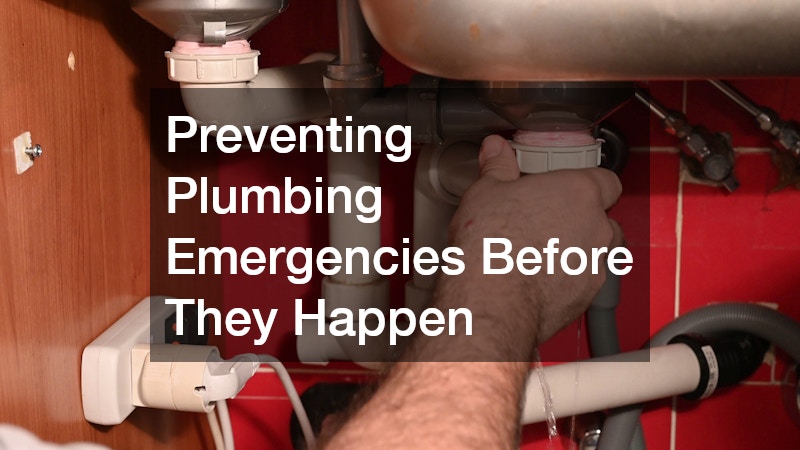
Preventing Plumbing Emergencies Before They Happen
Plumbing systems often go unnoticed until a problem occurs. Partnering with a reliable local plumber allows homeowners to address small concerns before they escalate into costly repairs. Regular inspections help maintain water efficiency and prevent damage.
Preventive plumbing care includes:
-
Checking for leaks under sinks and appliances
-
Monitoring water pressure levels
-
Inspecting exposed pipes for corrosion
-
Ensuring drains flow properly
An experienced plumber can also recommend upgrades that improve efficiency and reduce long-term maintenance needs.
Why Preventive Maintenance Saves Money Over Time
Preventive maintenance is one of the most effective ways to control homeownership costs. Small, scheduled services are far less expensive than emergency repairs caused by neglect.
Benefits of preventive maintenance include:
-
Reduced the likelihood of system failures
-
Lower repair and replacement costs
-
Improved energy efficiency
-
Extended lifespan of home systems
When hvac repair services and roofing inspections are completed routinely, homeowners gain peace of mind while preserving property value.
Coordinating Major Renovations and Expansions
Large-scale upgrades require careful planning and professional expertise. A qualified house addition contractor ensures that expansions integrate seamlessly with existing structures while meeting building codes and design standards.
Effective project coordination involves:
-
Establishing clear timelines and budgets
-
Scheduling inspections at key milestones
-
Communicating expectations with all contractors
-
Planning maintenance around construction phases
Strategic coordination prevents delays, reduces disruptions, and ensures that renovations enhance long-term functionality.
Managing Transitions and Property Changes Smoothly
Life changes often require adjustments to living spaces. Whether relocating or preparing for renovations, working with a reputable moving company helps protect belongings and reduce stress during transitions.
Helpful preparation tips include:
-
Decluttering before moving or remodeling
-
Protecting floors and fixtures during transitions
-
Coordinating move-in timelines with service providers
-
Updating maintenance schedules after relocation
Well-managed transitions preserve the condition of the home and allow maintenance routines to resume smoothly.
Seasonal Inspections That Improve Performance
Seasonal changes place varying demands on a home. Scheduling inspections throughout the year helps homeowners stay ahead of weather-related wear.
Seasonal focus areas include:
-
Spring: Roof drainage and exterior surfaces
-
Summer: Cooling efficiency and ventilation
-
Fall: Heating readiness and weatherproofing
-
Winter: Pipe protection and indoor air quality
These inspections help identify concerns early and reduce the likelihood of weather-related damage.
The Cost of Delayed Repairs
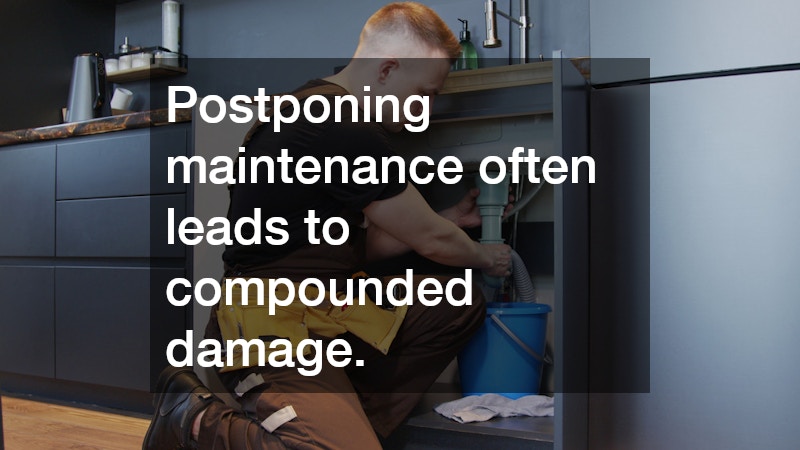
Postponing maintenance often leads to compounded damage. Small issues can spread quickly, affecting multiple systems and increasing repair costs.
Common consequences of delayed repairs include:
-
Water damage is spreading from minor leaks
-
Mold growth due to poor ventilation
-
Structural weakening from moisture exposure
-
Increased energy consumption
Timely attention limits damage and keeps repair scopes manageable.
The Importance of Documentation
Keeping records of inspections and repairs supports long-term planning and resale value. Documentation demonstrates responsible ownership and provides transparency for future buyers.
Important records to maintain:
-
Service invoices and warranties
-
Inspection reports
-
Upgrade and renovation details
-
Maintenance schedules
Well-organized records also help homeowners track recurring issues and plan future improvements more efficiently.
Building a Sustainable Maintenance Routine
Consistency transforms maintenance from a burden into a habit. A structured routine ensures no system is overlooked.
Steps to create an effective routine:
-
Divide tasks into monthly, seasonal, and annual categories
-
Set calendar reminders
-
Budget annually for upkeep
-
Review and adjust priorities regularly
A sustainable approach preserves comfort, efficiency, and long-term value.
Preparing for the Unexpected
Even with proactive care, emergencies can occur. Preparation minimizes damage and recovery time.
Preparation strategies include:
-
Keeping emergency contact lists
-
Knowing shut-off locations for utilities
-
Maintaining basic tools and supplies
-
Reviewing insurance coverage annually
Prepared homeowners respond faster and recover more efficiently.
Protecting a home investment requires thoughtful planning, consistent upkeep, and informed decision-making. By prioritizing inspections, addressing issues early, and coordinating services effectively, homeowners can avoid unnecessary expenses while maintaining comfort and safety. A comprehensive maintenance strategy supports both immediate livability and long-term value, ensuring that the home remains a reliable and enjoyable space for years to come.
Beyond routine upkeep, proactive planning allows homeowners to anticipate future needs, such as roof replacements, HVAC upgrades, or plumbing improvements. Staying ahead of these potential challenges reduces stress, prevents emergency repairs, and preserves the overall condition of the property. Partnering with trusted professionals—including roofing companies, a plumber, and HVAC contractors—ensures that work is performed efficiently and to high standards.
Additionally, documenting all maintenance activities and repairs helps track the home’s history, aids in budgeting for upcoming projects, and enhances resale value. A well-maintained home not only provides comfort and security for its current occupants but also represents a solid, long-term investment in financial stability and quality of life.